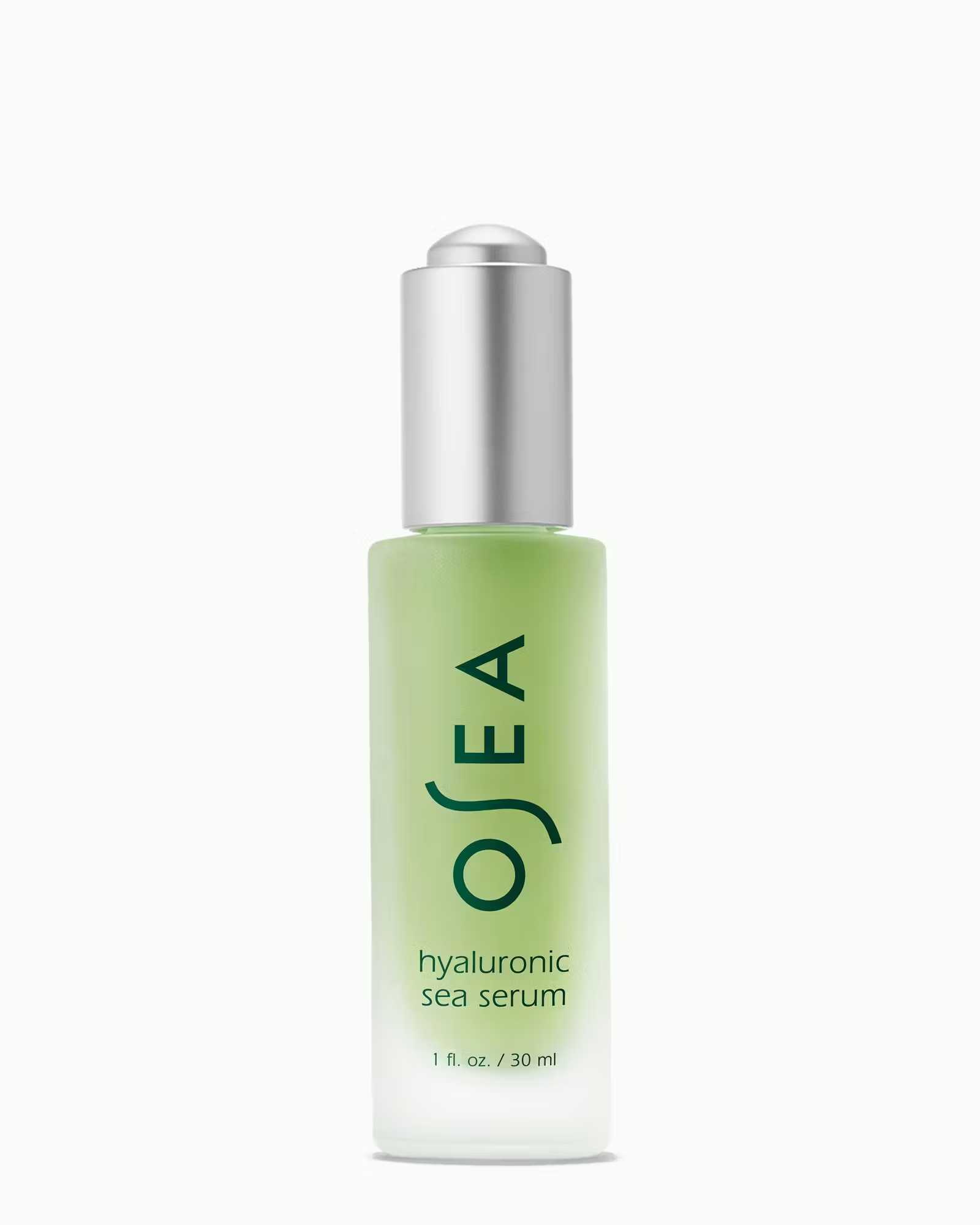
Skincare DossierWhat Skin Support Really Means
Editorial4 min read

What Skin Support Really Means

We talk a lot about supporting your skin rather than fighting it. Here's what that looks like in practice — and why the language we use about our skin matters.

Dossier Editors·

Your skin is doing extraordinary work every single day. It shields you from environmental assault, regulates your temperature, communicates sensation, and carries the map of everywhere you've been. It changes with every decade — not because it's failing, but because you're living.

So when we talk about "skin support," we mean something specific: giving your skin the raw materials it needs to do its job well. Barrier lipids. Hydration. Antioxidants to buffer oxidative stress. Proteins that support structure without forcing correction.

"Anti-aging" — a phrase you won't find in our editorial copy — frames aging as an adversary. But dehydration? Barrier disruption? Inflammation? Those are worth addressing, not because they mark time passing, but because they affect how your skin feels today.

This is the lens we bring to every product we review. Does this formula nourish and support the skin's own processes? Or does it wage war on normal biology in pursuit of a face that looks like it hasn't been anywhere?

The second kind of formula often causes more damage than it prevents. We score accordingly.
Frequently Asked Questions

What does 'skin support' mean in skincare?

Skin support means supplying the raw materials skin needs to do its own job: barrier lipids to reduce moisture loss, humectants to maintain hydration, antioxidants to buffer oxidative stress, and proteins that reinforce structure without forcing unnatural correction. The goal is to help the skin's own processes work well — not to override them.

What is the difference between skin support and anti-aging skincare?

Anti-aging frames the skin's natural change over time as a problem to be reversed. Skin support starts from a different premise: that the skin is not failing, it is doing its job under changing conditions. Products worth buying are the ones that address what is actually happening — dehydration, barrier disruption, oxidative stress — rather than the ones promising to undo the passage of time.

What ingredients actually support the skin rather than fighting it?

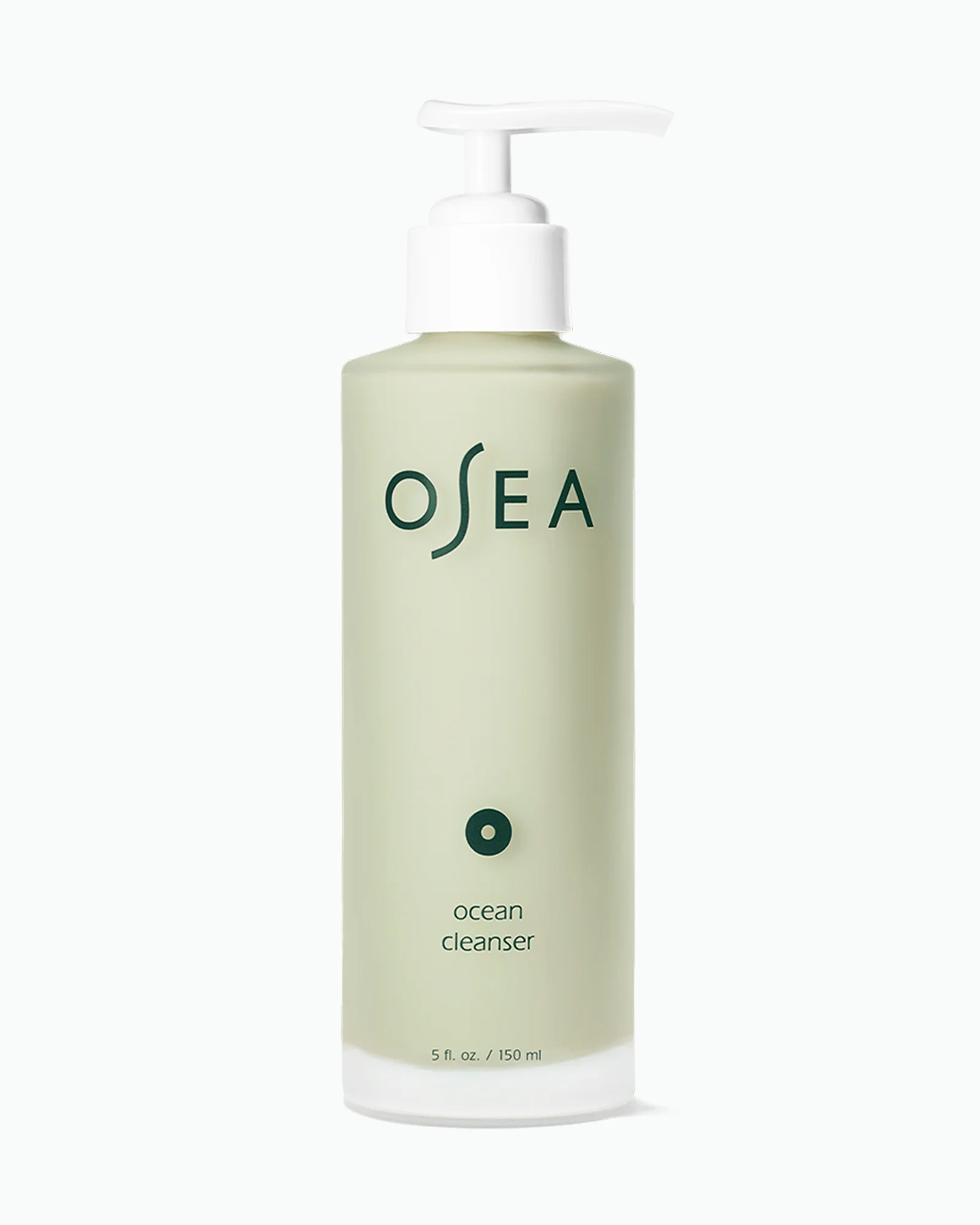
Ceramides replenish the lipid matrix. Hyaluronic acid maintains surface and dermal hydration. Antioxidants — vitamins C and E, niacinamide, plant actives — buffer free radical damage. Peptides support structural proteins gently. A barrier-safe cleanser protects the acid mantle. These ingredients show up consistently in genuinely supportive formulas because they work with the skin's own biology rather than against it.

#skin support#philosophy#clean beauty#wellness