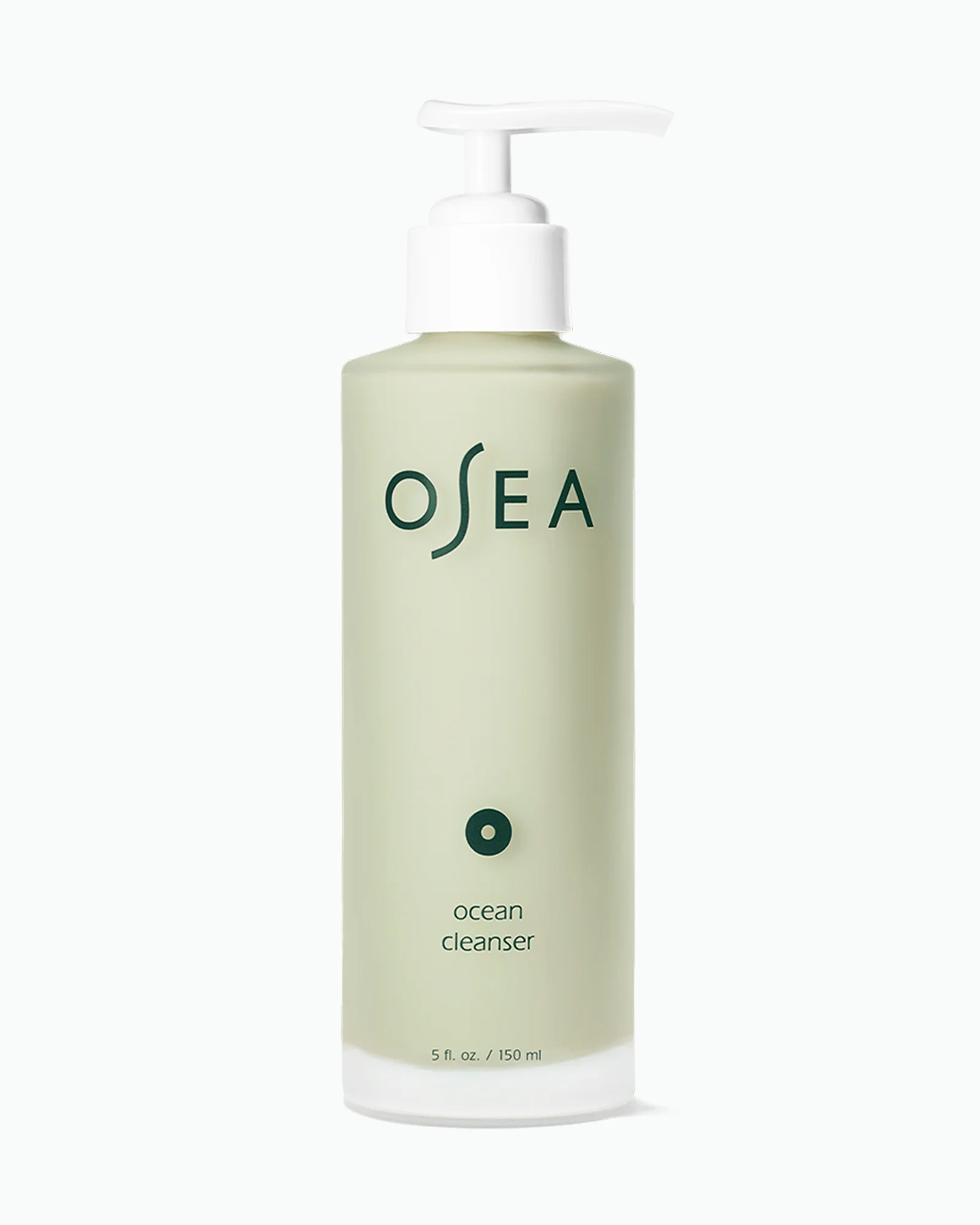
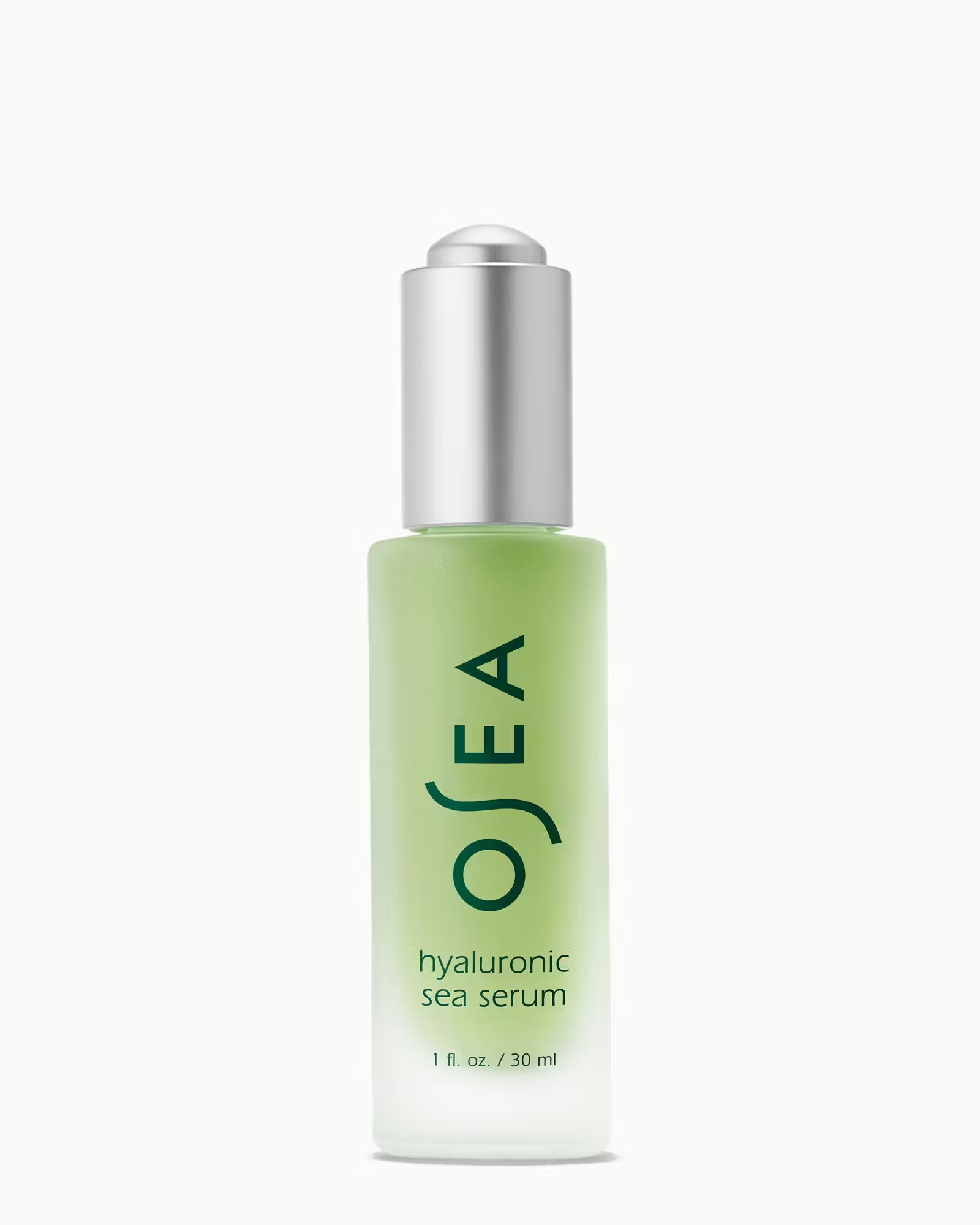
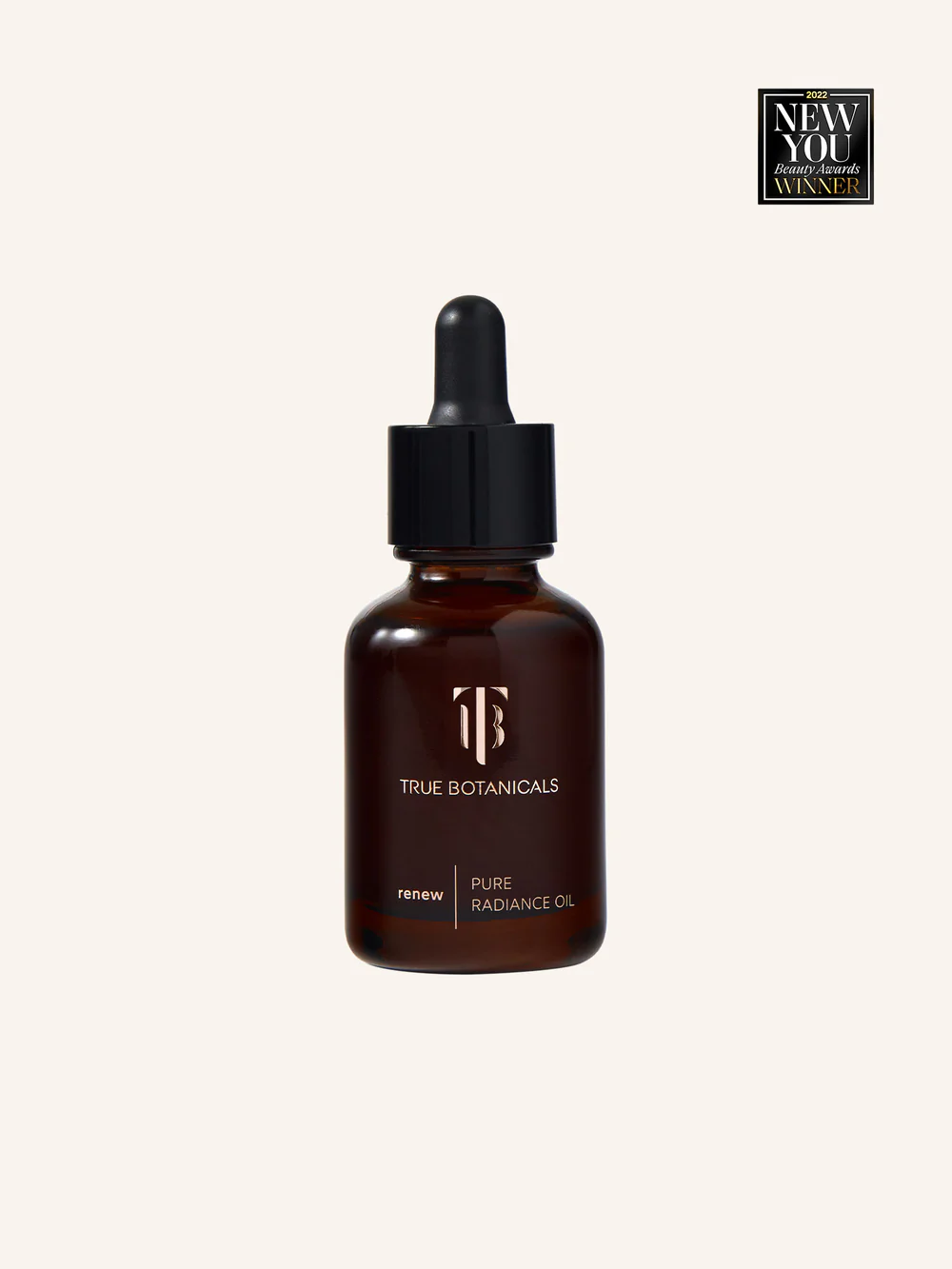
There's a particular kind of exhaustion that comes from standing in front of your bathroom mirror at 10pm, faced with twelve products in a prescribed order, wondering which one is actually doing something.
Most of them aren't. And the accumulation of steps isn't just time-consuming — it can actively work against your skin.
The math of diminishing returns
Every product you layer introduces variables: potential irritants, conflicting pH levels, actives that cancel each other out. A retinol layered under a vitamin C under a niacinamide under an enzyme mask isn't an optimized routine — it's noise. Your skin is a sophisticated organ, not a chemistry experiment.
More importantly, when something goes wrong in a 12-step routine, you have no idea what caused it. And something will go wrong.
What a minimal routine actually requires
Three functions cover almost everything your skin needs on a daily basis:
- ◦Cleanse. Remove the day — pollution, sunscreen, makeup. Don't strip the barrier while doing it.
- ◦Support. One active that addresses your skin's primary concern. Hydration, barrier repair, glow, texture — pick the most pressing one.
- ◦Protect. In the morning, SPF. At night, a moisturizer that seals in what you just put on.
That's it. Everything else is optional — and optional should mean occasionally useful, not daily obligation.
The products that earn their place
The best minimal-routine products do more than one thing well. A hyaluronic acid serum that also contains skin-soothing actives. A cleanser that supports your barrier while it cleans. A face oil that moisturizes, protects, and provides antioxidant coverage in one step.
These aren't compromises. They're intelligent formulations.
Starting from scratch
If you're rebuilding a routine from zero, start with the three functions above. Give each product four to six weeks before adding anything else. What you'll find — almost every time — is that your skin responds better to three consistent products than it ever did to thirty rotating ones.
Your skin doesn't need more. It needs better.