The feeling that signals a cleanser is wrong for dry skin is immediate and unmistakable: that tight, pulling sensation after rinsing, as if the skin has been vacuumed of everything that made it comfortable. That is not cleanliness. It is disruption — the acid mantle stripped, the lipid matrix disturbed, the barrier left temporarily impaired and working to recover.
For dry skin, a cleanser is not just a hygiene step. It is the foundation everything else in a routine builds on. A cleanser that strips the barrier means the serum applied afterward goes onto compromised skin. The moisturizer is working to repair what the cleanser damaged. The benefits of the full routine are attenuated from the first step. Getting the cleanser right is disproportionately important.
This guide covers what dry skin needs in a cleanser at the formulation level, which formats actually serve the type, the scored products from our database, and honest guidance on double cleansing — when it helps and when it adds up to too much.
What Dry Skin Actually Needs in a Cleanser
Dry skin has a compromised or thinned lipid matrix — the intercellular lipid structure of the stratum corneum that gives the barrier its integrity and prevents transepidermal water loss. Anything that further disrupts this matrix will worsen the underlying dryness, regardless of how much moisturizer is applied afterward.
Three formulation factors matter most.
No sulfates: Sodium lauryl sulfate (SLS) and sodium laureth sulfate (SLES) are surfactants designed to break up oil and remove it from surfaces. They are effective at this — and equally effective at removing the skin's naturally occurring lipids, including the ceramides and fatty acids that hold the barrier structure together. Sulfate-free alternatives (cocamidopropyl betaine, sodium cocoyl glutamate, disodium lauryl glucoside hydroxypropylsulfonate) clean without the same degree of lipid disruption. For dry skin, sulfate-free is not a marketing preference. It is a functional requirement.
Skin-compatible pH: the skin surface operates at a pH of approximately 4.5–5.5. Many cleansers — particularly bar soaps — are alkaline (pH 9–11), which disrupts the acid mantle and impairs the enzyme activity that helps the barrier repair itself. A cleanser that foams dramatically and leaves a squeaky-clean sensation is almost always significantly alkaline. A formulation at pH 5–6 cleans without the alkalinity that compromises the barrier's recovery between uses.
Hydrating co-ingredients: glycerin, hyaluronic acid, aloe vera, and similar humectants in a cleanser do not have a long contact time with the skin — they rinse off — but they counteract the net moisture loss that even gentle cleansing causes. Their presence is a signal of a formula designed to minimize the hydration cost of cleansing rather than simply maximize foaming performance.
The tight-after-cleansing sensation is the clearest signal that a cleanser is wrong for dry skin. It is not a temporary feeling that resolves once moisturizer is applied. It is the skin reporting barrier disruption, and repeated disruption accumulates over time into the persistent sensitivity and reactive skin that many dry-skin types experience as a baseline. For the full picture of how barrier disruption compounds and how to reverse it, see our guide to the skin barrier.
Cleanser Formats for Dry Skin — Which Works and When
Cream cleansers are the most nourishing format for dry skin. They use a lower concentration of cleansing surfactant, include emollient ingredients that leave skin comfortable after rinsing, and do not require high-foam performance to signal that they are working. They are the right daily format for very dry or sensitized skin.
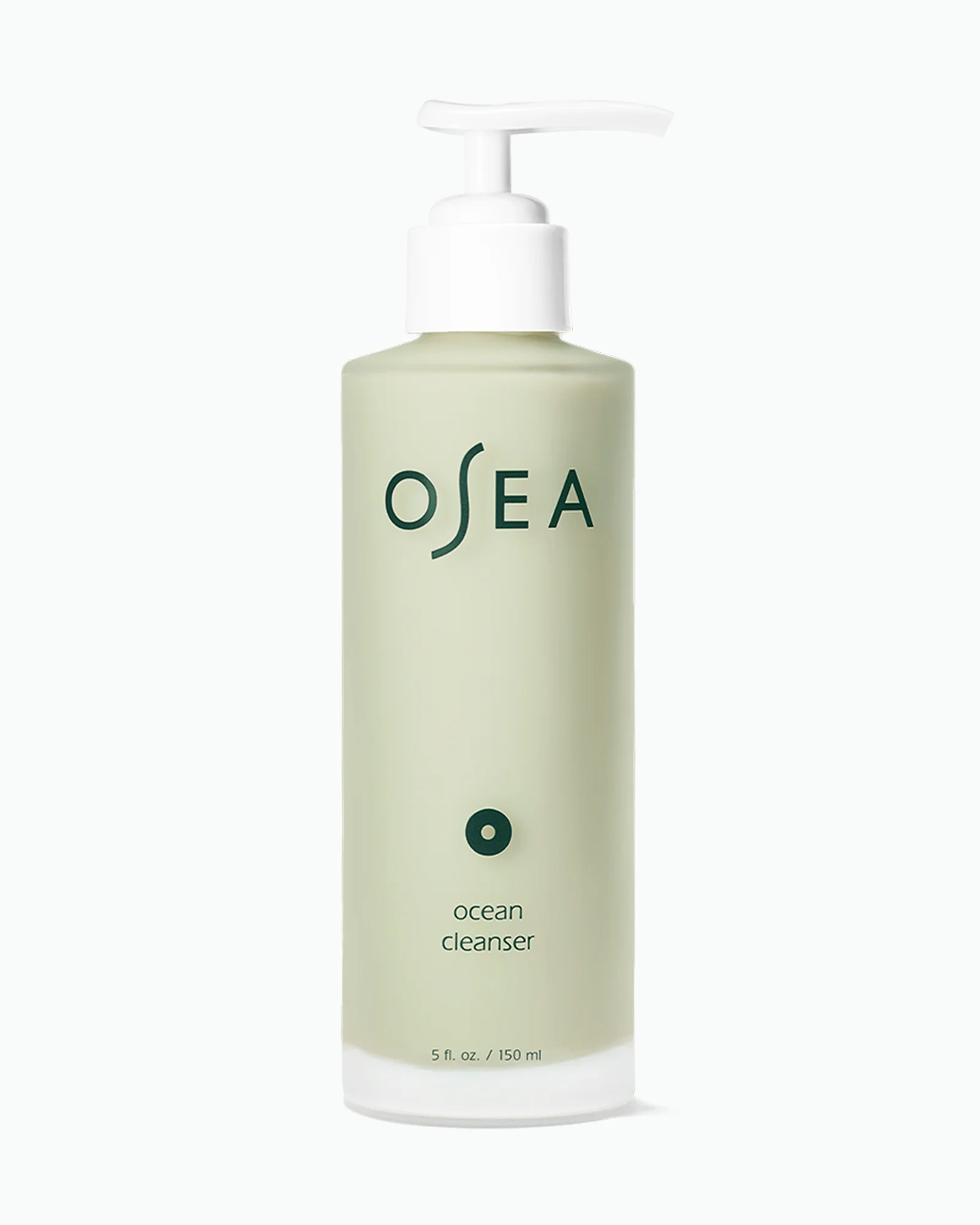
Gel cleansers can work for dry skin when formulated with the right surfactants — sulfate-free, at skin-compatible pH, with humectants in the base. A gel that foams heavily and leaves tightness is the wrong formulation. A gel that is transparent, low-foam, and comfortable after rinsing — like the OSEA Ocean Cleanser — is doing what a well-made cleanser for dry skin should do.
Oil and balm cleansers are excellent as a first step in a double cleanse — they dissolve oil-based impurities (sunscreen, sebum, oil-based makeup) without surfactant contact. Emulsifying formulas rinse off cleanly when massaged with water. For very dry or mature skin, a balm or oil first step followed by a gentle gel or cream is the format that cleans most thoroughly with the least barrier disruption.
Micellar water works as a light option for minimal morning cleansing — when the skin has only overnight products to remove and a gentle water-based cleanse would be excessive. It is not a complete cleanse for sunscreen or full-coverage makeup, and it leaves behind some residue if not followed by rinsing.
Tier A — OSEA Ocean Cleanser · 8.6/10 · $48
The highest-scoring cleanser in our database and the primary recommendation for dry skin seeking a barrier-safe daily option with clean beauty credentials.
The OSEA Ocean Cleanser (use code XOR10 for 10% off) is a sulfate-free gel cleanser formulated with Atlantic Kelp, Bladderwrack Seaweed, aloe vera, and glycerin. The surfactant system does not foam dramatically — correct for a barrier-safe formula — and skin feel after rinsing is comfortable rather than tight. That is what a 9.0 on Skin Compatibility and a 9.5 on Ingredients & Safety look like in use.
Score breakdown: Ingredients & Safety 9.5 · Feel & Experience 9.0 · Skin Compatibility 9.0 · Ease of Use 9.5 · Brand Trust 9.0 · Results 8.5 · Price Value 8.0 · Aesthetic & Packaging 8.0.
The 8.0 on Price Value reflects a real consideration: $48 is a genuine spend for a daily cleanser used twice a day. The premium is for the EWG Verified formulation, sustainably harvested seaweed actives, and the OSEA certification stack — Leaping Bunny, vegan, reef-safe. Per use, the cost is lower than the sticker suggests, but the honest number is 8.0: the price is earned, not transcended.
Age-decade scores: 9.0 in the 20s and 30s; 8.5 in the 40s and 50s; 8.0 at 60s+. The slight decline at later decades reflects that very dry mature skin may benefit from a cream or balm format rather than a gel to minimize any net moisture loss — the Ocean Cleanser is gentle enough for mature skin, but it is not the most nourishing cleanser format available for extremely dry or sensitized skin past the 60s.
Trade-offs: the seaweed-derived scent is perceptible and real. Natural in origin, but not fragrance-free — a genuine consideration for fragrance-sensitive or reactive skin. The cleanser also does not fully remove heavy-coverage or waterproof makeup in a single pass; an oil or balm first step is the appropriate approach in that case. For the full brand context, see our OSEA Malibu brand review.
Juara — A Botanical Alternative Worth Considering
For dry skin that prefers a ritual-forward, botanically-grounded cleanser over a marine-active formula, Juara Skincare offers a cleanser range built on the same Jamu-tradition ingredient approach as the Radiance Vitality Oil — candlenut, rice bran, and clove flower as functional actives in a gentle formulation designed for nourishment over stripping.
The Juara cleanser lineup is not yet in our scoring database. What the scored Radiance Vitality Oil (Tier A, 8.3/10) indicates about the brand: functional ingredient concentrations, a consistent nourishment-first philosophy, and a formulation approach that prioritizes barrier support. The Juara brand site carries both a rice-based facial cleanser and an oil cleanser suited to dry skin consideration.
The same trade-off applies: Juara's formulas are scented from their botanical actives. The aromatic profile from turmeric and clove is natural, not synthetic, but it is perceptible. For fragrance-sensitive dry skin, neither Juara nor OSEA is the cleanest match — the budget fragrance-free options below are the more appropriate route.
Double Cleansing for Dry Skin — When It Helps vs When It's Too Much
Double cleansing is most relevant for dry skin in the evenings, and only when SPF or makeup has been worn. The rationale: oil-based impurities — sunscreen, silicones, oil-based makeup — are most efficiently dissolved by an oil-phase first step. The water-based second step removes the emulsified oil cleanser residue along with any remaining water-soluble impurities. The result is a thorough cleanse with less barrier disruption than a single more aggressive surfactant application would require to do the same job.
For dry skin in the morning: double cleansing is not appropriate. The overnight products and natural sebum from sleep are easily handled with a single gentle cleanser — or, for very dry or sensitized skin, a simple water rinse. Morning double cleansing for dry skin is overcleansing.
For evenings when SPF and makeup were worn: a double cleanse is the right approach. Oil or balm first, gentle gel second. For evenings when only lightweight moisturizer and serum were applied, no SPF, no makeup: a single gentle cleanser is sufficient. The second cleanse step on low-product evenings is an extra round of surfactant contact that dry skin does not need. For how the sensitive-skin cleanser category compares, see our guide to the best cleansers for sensitive skin.
Budget Tier — What to Look for Under $20
At budget price points, the clean beauty certifications are not typically available, but the functional formulation criteria are the same: sulfate-free surfactants, skin-compatible pH, and humectants in the formula.
On Amazon, CeraVe Hydrating Cleanser is the most consistently recommended option for dry skin at this tier — ceramides and hyaluronic acid in a low-surfactant formula that cleans without stripping, and fragrance-free. La Roche-Posay Toleriane Hydrating Gentle Cleanser and Vanicream Gentle Facial Cleanser are close alternatives, both fragrance-free and appropriate for dry or sensitive skin.
The practical checklist for any budget dry skin cleanser: - No SLS or SLES in the ingredient list - Ceramide, glycerin, or hyaluronic acid in the first half of the ingredient list - No tight feeling after rinsing - Fragrance-free preferred, especially for reactive dry skin
For how Ingredients & Safety and Skin Compatibility are weighted in our full evaluations, see the scoring methodology — these are the two most heavily weighted dimensions for the cleanser category, because a cleanser's primary obligation is to not disrupt what it touches.
The Bottom Line
A dry skin cleanser earns its place by leaving skin clean and comfortable — not tight, not stripped, not requiring the next three steps to compensate for what the first step removed. The OSEA Ocean Cleanser is the highest-scoring product in our database for exactly this requirement. Juara's botanical approach serves dry skin with the same nourishment philosophy at a comparable price point, pending scoring. Under $20, CeraVe Hydrating Cleanser delivers the functional criteria without the clean beauty premium.
Use the comparison tool to stack the Ocean Cleanser against other products in our database on Skin Compatibility and Ingredients & Safety.
This post contains affiliate links. We may earn a commission if you purchase through them, at no cost to you. Affiliate relationships do not influence our scores or recommendations.