Hyperpigmentation is not a single condition. The term covers sun-induced discoloration, hormonal melasma, post-inflammatory hyperpigmentation (PIH), and the gradual tone unevenness that accumulates over decades of UV exposure and skin events. All of them involve melanin overproduction. None of them share exactly the same mechanism. And almost all of them are marketed at with the same serums and the same promises.
The industry has a strong financial incentive to treat all hyperpigmentation as interchangeable — one formula, all causes, visible results in two weeks. Neither the science nor the experience of actual skin supports that framing. Some discoloration responds well to topical actives. Some requires dermatological intervention. Nearly all of it takes three to six months of consistent use before meaningful change is visible, regardless of how aggressively the label is written.
This guide covers the four types, the six ingredients with actual clinical evidence, what to realistically expect from a serum protocol, and which products earn our highest tier scores in this category. No shortcuts, no fear-based framing.
The Four Types of Hyperpigmentation — And Why They Behave Differently
Understanding which type you are addressing is the first step, because the mechanism changes the intervention.
Sun-induced hyperpigmentation (solar lentigines, sun spots) is caused by UV exposure triggering excess melanin production in the epidermis and upper dermis. It is the most common type and the most responsive to topical actives — vitamin C, niacinamide, AHAs, and retinoids all have good evidence here. Consistent SPF use is non-negotiable alongside any active, because continued UV exposure counteracts whatever the serum is doing.
Melasma is hormonally triggered — often appearing during pregnancy, while on hormonal contraception, or during perimenopause — and tends to sit deeper in the skin than sun-induced pigmentation. It is the hardest type to treat topically because it can recur seasonally and with hormonal fluctuation regardless of how well a regimen is maintained. Tranexamic acid has the best evidence specifically for melasma of any topical ingredient. Dermatological consultation is often the more realistic path for significant melasma.
Post-inflammatory hyperpigmentation (PIH) follows skin trauma — acne, irritation, procedures, any disruption that triggers an inflammatory response. The inflammation signals melanocytes to overproduce. It is more common and more persistent in deeper skin tones, where photoprotective melanin activity is already higher. Azelaic acid is particularly useful here because it addresses both the pigmentation and the residual inflammation. Time is the primary treatment; topical actives accelerate the process.
Accumulated photoaging and age-related tone unevenness involves decades of cumulative UV exposure and gradual changes in melanocyte distribution and activity. The mechanism is overlapping — part UV-induced, part hormonal, part cellular — which is why a multi-active approach (cell turnover plus antioxidant protection plus melanin pathway inhibition) tends to outperform single-ingredient protocols.
The Ingredients With Clinical Evidence
Not all brightening ingredients are equally supported. These six have consistent, peer-reviewed evidence for reducing visible hyperpigmentation:
Vitamin C (L-ascorbic acid, THD ascorbate) inhibits tyrosinase, the enzyme that drives melanin synthesis, and provides antioxidant protection that limits UV-triggered pigmentation in the first place. Both mechanisms are relevant — preventing new discoloration while addressing existing unevenness. The stability and formulation considerations are significant; see our complete vitamin C guide and our vitamin C serum rankings for the full picture.
Niacinamide (vitamin B3) does not inhibit tyrosinase directly. Instead, it inhibits the transfer of melanin from melanocytes to the keratinocytes that make pigmentation visible at the skin surface. At 4–5% and above, it has consistent evidence for reducing the appearance of hyperpigmentation over 8–12 weeks of use. It is also anti-inflammatory, which makes it particularly useful for PIH. Well-tolerated across essentially all skin types.
Tranexamic acid was originally developed as a wound-healing compound and entered skincare via clinical observation of its effects on melasma in patients using it systemically. Topical evidence is solid, particularly for UV-triggered and hormonal pigmentation. It works by reducing UV-induced plasminogen activator activity in keratinocytes — a different mechanism than tyrosinase inhibition, which is why it is often effective in skin that does not respond well to vitamin C alone. It is underused relative to its evidence base, likely because it does not have the marketing legacy that vitamin C does.
Azelaic acid has a dual mechanism: mild tyrosinase inhibition and meaningful anti-inflammatory activity. The anti-inflammatory component makes it especially valuable for PIH and for skin prone to redness or reactivity alongside discoloration. It is one of the better-tolerated brightening actives for sensitive skin and is available both OTC and by prescription (at 15–20% for the prescription-strength versions).
Kojic acid is a fungal-derived tyrosinase inhibitor with reasonable clinical support at 1–4% concentration. It is frequently found in combination brightening formulas alongside niacinamide or vitamin C. Some people find it sensitizing in isolation; it performs better in formulas where the concentration is moderate and the supporting chemistry is designed to buffer any irritation.
Retinoids (retinol, tretinoin) address hyperpigmentation through cell turnover — accelerating the shedding of pigmented surface cells and replacing them with less-pigmented ones — rather than through direct melanin pathway inhibition. This makes them effective for surface discoloration and for improving overall skin texture simultaneously. Tretinoin has stronger and faster evidence; retinol at effective concentrations is the more accessible starting point. Our guide to retinol vs. retinoids covers which form to choose and how to introduce either.
How These Products Scored
We scored hyperpigmentation serums on our eight-dimension rubric, weighting Ingredients & Safety and Results most heavily. A product earns top marks in this category when the active ingredients are present at meaningful concentrations, the evidence behind them is solid, and the formulation supports long-term use rather than short-term irritation. See the full scoring methodology for how each dimension is weighted.
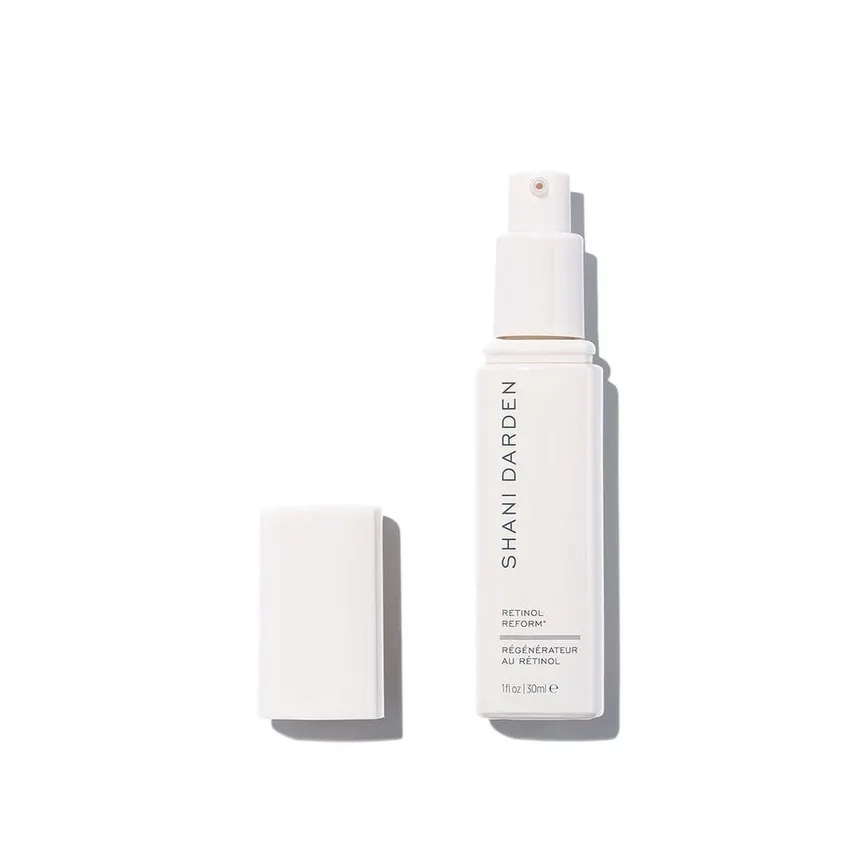
Tier S — Shani Darden Retinol Reform · 9.0/10 · $88
Our top-scoring recommendation for hyperpigmentation. The Shani Darden Retinol Reform earns its tier through a three-mechanism approach to tone unevenness: 1% encapsulated retinol drives cell turnover and surface pigment shedding; lactic acid (an AHA) exfoliates at the surface level while also inhibiting melanin synthesis via a secondary pathway; and niacinamide at a meaningful concentration inhibits melanin transfer to keratinocytes. Three distinct mechanisms, one formula.
Score breakdown: Results 9.5 · Brand Trust 9.5 · Feel & Experience 8.5 · Ingredients & Safety 8.5 · Skin Compatibility 8.5 · Price Value 8.5 · Aesthetic & Packaging 9.0 · Ease of Use 8.0. The encapsulated retinol delivery system reduces the peak irritation associated with conventional retinol, making it more broadly accessible than most high-potency retinol serums.
Age-decade scores: 30s 9.5, 40s 9.0, 50s 8.5, 20s 8.5, 60s+ 7.5. This is a product that performs best where accumulated tone unevenness is most meaningful — the 30s through 50s — and requires the standard retinol introduction protocol: begin once weekly, build gradually, always with SPF during the day.
Not ideal for: complete retinol beginners without an established barrier routine, or for skin that is acutely reactive or sensitized.
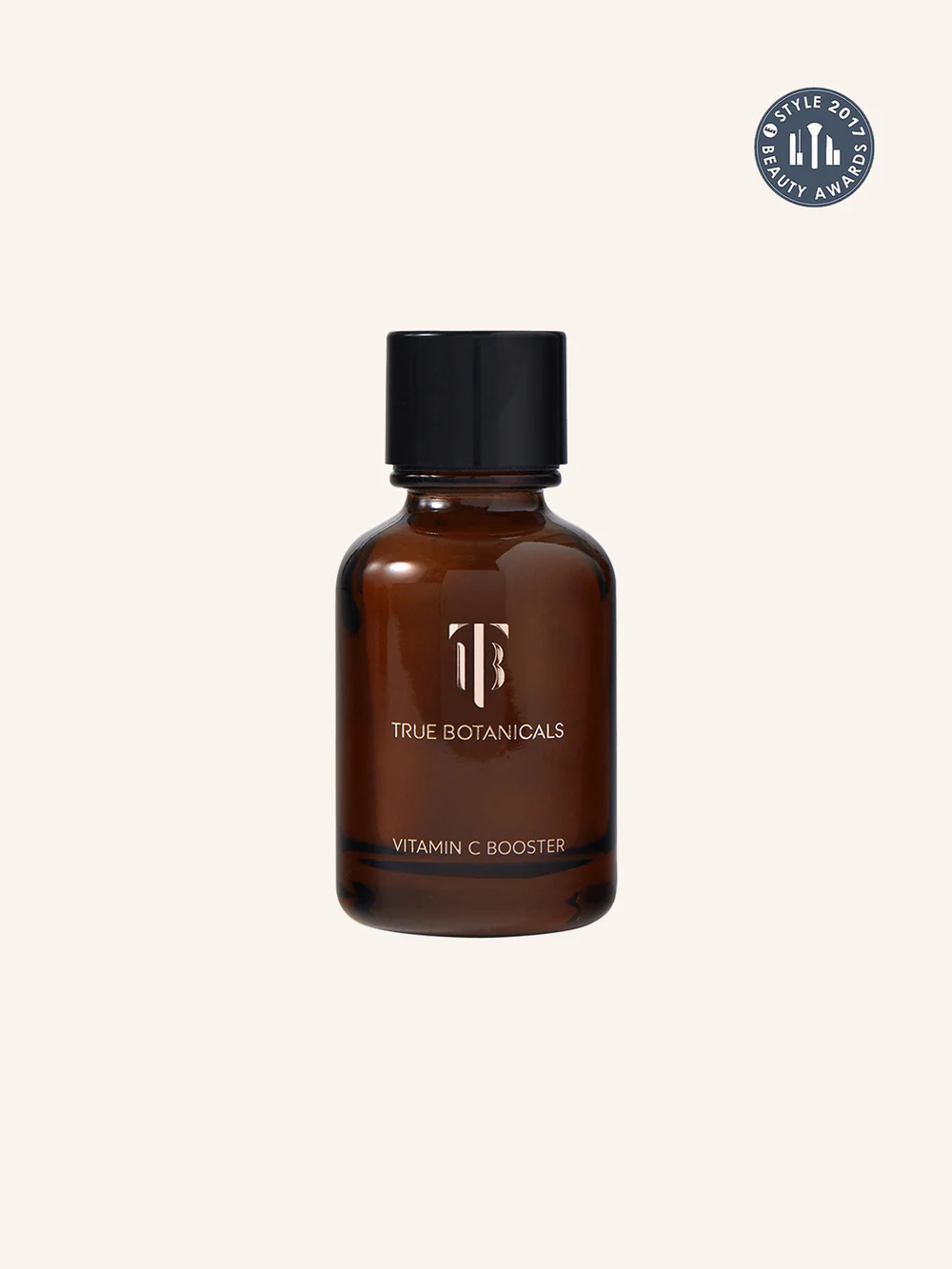
Tier S — True Botanicals Vitamin C Booster · 9.2/10 · $110
The strongest vitamin C option in our database and a complementary approach to Retinol Reform — vitamin C in the morning, retinol at night. The True Botanicals Vitamin C Booster uses THD ascorbate, ferulic acid, and vitamin E in a dry-powder activation format that eliminates the oxidation problem common to liquid vitamin C serums. THD ascorbate inhibits tyrosinase via a stable, oil-soluble delivery pathway, providing both preventive antioxidant protection and direct melanin inhibition.
Score breakdown: Results 9.5 · Ingredients & Safety 9.5 · Brand Trust 9.5 · Skin Compatibility 9.0 · Price Value 8.0 · Feel & Experience 8.0 · Aesthetic & Packaging 9.0 · Ease of Use 7.5. The Ease of Use score reflects the powder mixing ritual — every dose activates fresh, which is what makes it effective, but it is a different habit than a pump serum.
Mid-range and budget tiers
At the mid-range ($40–$70), look for formulas combining niacinamide (4% minimum) with either tranexamic acid or azelaic acid. Both are increasingly available from reputable independent brands and from clinical skincare lines. Prioritize transparency about concentrations — any brand that lists "niacinamide complex" without a percentage is obscuring information you need to evaluate efficacy.
For a budget starting point, niacinamide serums at 5–10% are widely available and consistently effective — including on Amazon from brands that are transparent about their formulations. At this price point, niacinamide plus an SPF that you actually use daily will outperform an expensive serum used without sun protection.
On Timeline: What a Realistic Protocol Actually Looks Like
Three to six months is the minimum for visible improvement with any well-formulated topical regimen. The mechanism explains why: melanin that is already in the skin's surface cells must be shed through normal cell turnover before the more-evenly-pigmented new cells beneath become visible. Retinoids accelerate that turnover; most brightening actives do not, which is part of why combining a cell-turnover active with a melanin-pathway inhibitor tends to outperform either alone.
Melasma is the exception that proves the rule. Because it recurs with UV exposure and hormonal fluctuation, topical-only protocols are often insufficient without consistent, rigorous SPF use alongside every active. For significant melasma, a dermatology consultation is not a last resort — it is the appropriate first step, particularly for deeper skin tones where aggressive DIY brightening protocols carry a higher PIH risk from irritation.
What does not work on any timeline: products claiming to "eliminate" or "erase" discoloration overnight, formulas with trace amounts of brightening actives buried well below the tenth ingredient position, and any regimen that does not include SPF as a non-negotiable daily step. The actives manage existing pigmentation; SPF is what prevents new pigmentation from forming while they do.
Use the comparison tool to stack hyperpigmentation serums against other actives in our database.
This post contains affiliate links. We may earn a commission if you purchase through them, at no cost to you. Affiliate relationships do not influence our scores or recommendations.