Everyone talks about summer skincare like it's a one-ingredient conversation: SPF, SPF, SPF. And yes, wear your sunscreen, that's non-negotiable. But SPF is protecting you from one direction of attack. There's a second one coming from the other side, indoors, that almost nobody talks about — and it's quietly undoing a lot of the good your routine is otherwise doing.
Summer skin has two real problems, not one. Problem one: heat, sweat, and humidity accelerate buildup on the skin's surface, which means the exfoliation habits that worked fine in February might now be working against you — or not doing nearly enough. Problem two: the air conditioning keeping you sane through July is, mechanically, a dehumidifier. It is pulling moisture out of the air in every room you sleep, work, and live in, and your skin is the first thing that notices.
This is the actual summer reset — exfoliate smarter, replenish harder — and it's simpler than the ten-step "summer glow routine" content you've probably scrolled past a dozen times this month.
Why summer accelerates buildup — and why your exfoliation routine probably needs to change
Heat increases sebum production. Sweat mixes with that oil, sunscreen, and the day's accumulated grime, and all of it sits on the surface longer in humid air than it would in dry winter conditions. The result is faster buildup of dead skin cells, clogged pores, and the dull, slightly congested look a lot of people notice on their face by August — even people who don't typically deal with breakouts the rest of the year.
The instinct is to exfoliate harder. That instinct is usually wrong, and it's worth understanding why before you reach for a stronger acid or a gritty scrub. Summer skin is already under more stress than usual — more UV exposure, more sweat-related irritation, more barrier-compromising sun damage even with diligent SPF use. Layering an aggressive exfoliation routine on top of a barrier that's already working overtime is how people end up with the exact dullness and sensitivity they were trying to fix.
The better approach is gentle and more frequent, not harsh and occasional. A mild chemical exfoliant — lactic acid or a low-percentage AHA — used two to three times a week does more for summer buildup than a heavy-duty scrub used once. Physical exfoliants are fine in summer if they're genuinely gentle; anything with sharp, uneven granules should be avoided entirely once skin is sun-exposed, since micro-abrasions plus UV exposure is a combination that compounds damage rather than just irritating temporarily. We go through the full mechanics of choosing between chemical and physical options in our AHA, BHA, and physical exfoliation guide — worth a closer read if you're not sure which category your current product falls into.
One more seasonal rule worth following: never exfoliate immediately before sun exposure. Freshly exfoliated skin is more vulnerable to UV damage because you've just removed a layer of protective dead skin cells. Exfoliate at night, and apply SPF fresh in the morning regardless.
What air conditioning is actually doing to your face
This is the part of the summer routine conversation that gets skipped, and it shouldn't be, because the mechanism is straightforward once you see it. Air conditioning works by pulling humidity out of the air to cool it. That's the whole function. It doesn't just cool a room — it dries it, the same way a dehumidifier does, because that's mechanically what's happening behind the vent.
You feel this most directly while sleeping. Eight hours in a cold, dry bedroom means eight hours of your exposed skin losing moisture to the air around it through transepidermal water loss — the same process that compromises a stressed skin barrier in winter, just triggered by a different season's version of dry air. Cold, dry air increases the rate at which water evaporates off the skin's surface, and a compromised barrier loses water faster than a healthy one — which is exactly why people who already run a little dry or sensitive tend to notice AC dryness first and worst.
The result by morning: tightness, dullness, sometimes a slightly flaky texture around the nose and cheeks that has nothing to do with sun exposure and everything to do with the bedroom you slept in. It's an indoor problem masquerading as a summer problem, and it's one most people blame on the wrong cause — usually sun or sweat — when the actual culprit is the vent humming overhead all night.
The fix isn't to turn off the AC, nobody's suggesting that. It's to replenish what the dry air is taking, deliberately, rather than assuming a lightweight summer moisturizer that felt right in July humidity outdoors is doing enough once you're back in a 68-degree bedroom for eight hours.
How to actually replenish — layering for AC dryness without feeling heavy in the heat
The instinct in summer is to go lighter across the board, and there's a reasonable version of that instinct: heavy, occlusive-forward creams formulated for winter can feel suffocating in summer humidity. But "lighter" should mean a different texture, not less actual hydration. The mistake is swapping a barrier-supporting moisturizer for something thin and watery that looks summery on a label but doesn't replace what AC-dried air is removing overnight.
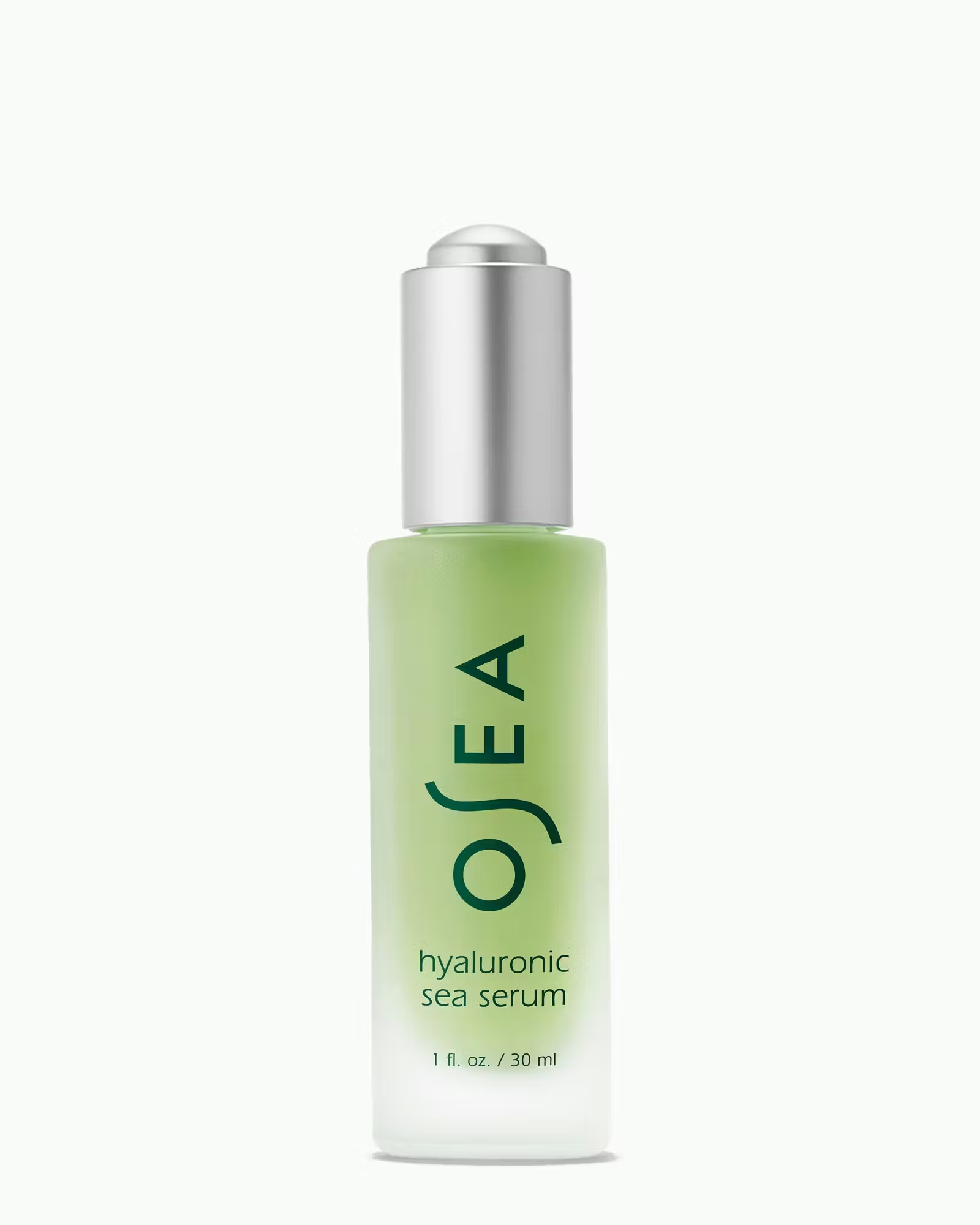
The better strategy is humectant-first, sealed lightly. A hyaluronic acid serum applied to slightly damp skin draws and holds water at the surface — this is the layer doing the actual replenishing work. The OSEA Hyaluronic Sea Serum is our go-to recommendation here specifically because it layers cleanly under anything else without feeling sticky in summer heat, and it scores 8.8/10 in our database — Tier A — built around seaweed-derived hyaluronic acid that holds water at multiple molecular weights rather than just one surface layer. Use code XOR10 for 10% off any OSEA order.
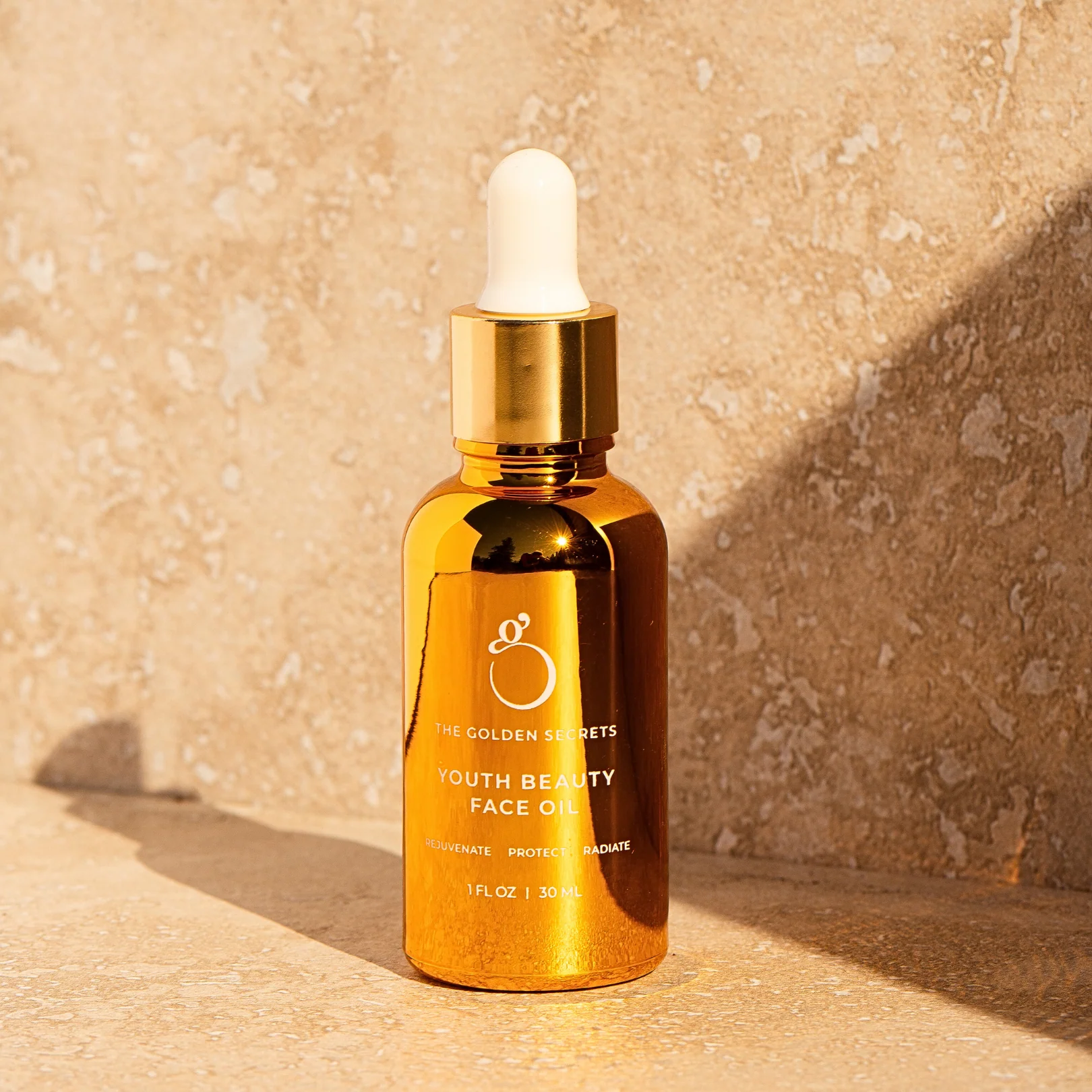
After the humectant, seal it — and this is the step most people skip in summer because it sounds counterintuitive to add oil when it's already hot out. But a few drops of a well-formulated face oil isn't the same as a heavy winter cream; it's a thin barrier that slows the water you just applied from evaporating straight back out into AC-dried air. The Golden Secrets Youth Oil works well for exactly this — 24k gold, rosehip, sea buckthorn, and plant stem cells in a fast-absorbing formula that doesn't sit heavy even in July. A few drops at night, after your hyaluronic serum, seals in the hydration your AC unit spent all day trying to take back. Code XOR10 gets you 10% off here too.
If you wear a heavier daytime moisturizer the rest of the year, summer is a reasonable season to size down — not skip entirely. Look for ceramide-containing formulas with a lighter, gel-cream texture rather than a thick balm; we cover what to actually look for by texture and skin need in our moisturizer guide, and most of that logic holds for layering decisions across seasons, not just by age.
How the category compares
| Product | Role | Score | Tier | Price |
|---|---|---|---|---|
| OSEA Hyaluronic Sea Serum | Replenish (humectant) | 8.8 | A | $72 |
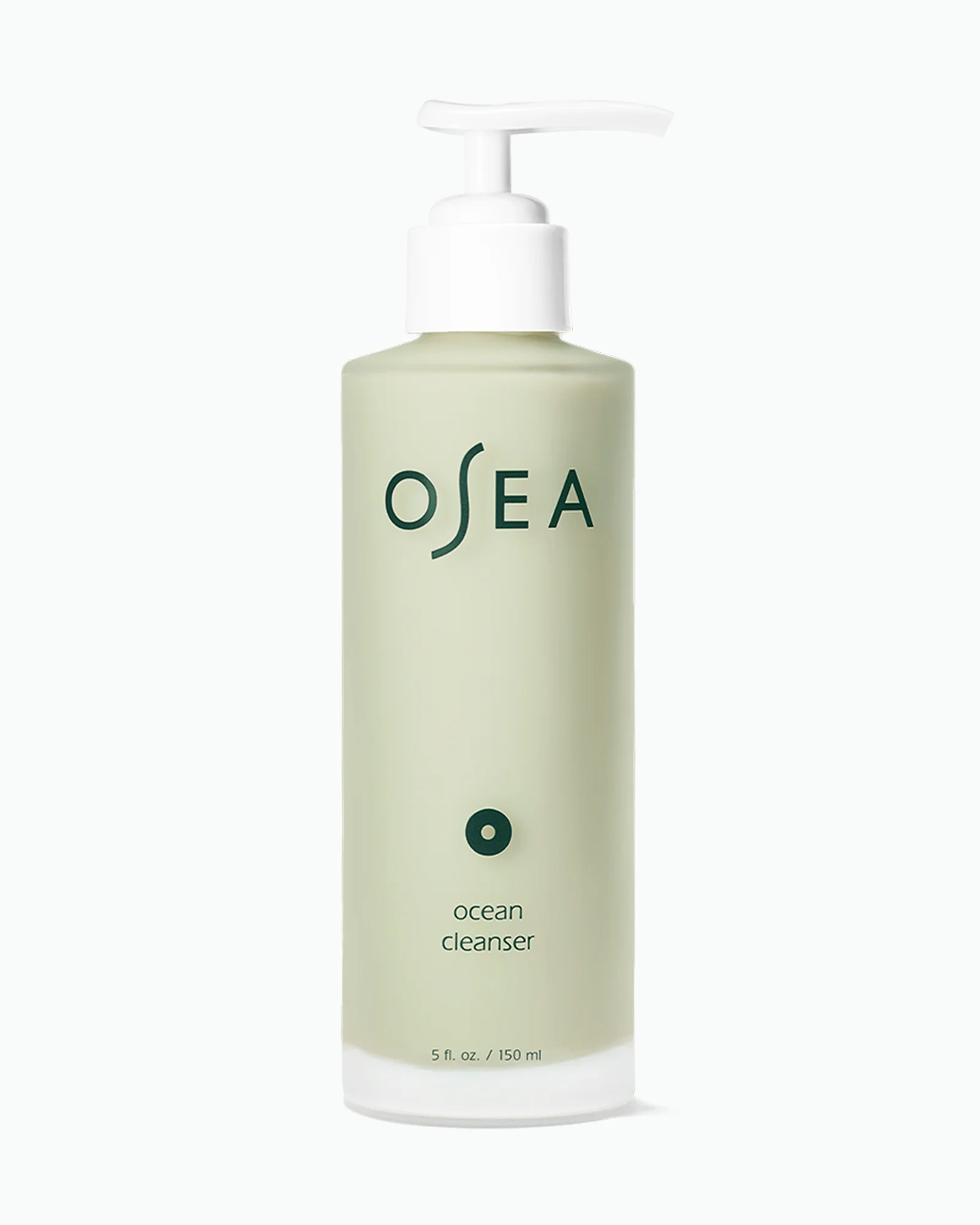
| OSEA Ocean Cleanser | Cleanse | 8.6 | A | $48 |
| The Golden Secrets Youth Beauty Face Oil | Replenish (seal) | 8.4 | A | $89 |
| True Botanicals Pure Radiance Oil | Replenish (seal) | 8.7 | A | $110 |
| Medicube Zero Pore Pad 2.0 | Gentle exfoliate | 8.7 | A | $18.90 |
| Eminence Strawberry Rhubarb Dermafoliant | Gentle exfoliate | 8.3 | A | $37 |
Scores pulled directly from our database using the same eight-dimension rubric across every category — see the full scoring methodology for how each dimension is weighted. If you want a budget option for either step, searching by ingredient type — lactic acid, hyaluronic acid, ceramides — rather than brand claims on Amazon is a reasonable strategy when you're not ready to invest in the higher tier.
A realistic seasonal routine, not a 10-step overhaul
Here's what this actually looks like day to day, because the point of a "reset" is that it's a small number of consistent habits, not a new shelf of products.
Morning: gentle cleanse, hyaluronic serum on damp skin, SPF. That's it. If your skin runs oily in summer heat, skip the face oil step in the morning and save it for night, when AC dryness is doing the most damage anyway.
Night: gentle cleanse, exfoliate two to three times a week (not nightly), hyaluronic serum, then seal with a few drops of face oil. The oil is the step most people drop in summer because it feels backwards, and it's the step doing the most overnight repair work against a bedroom full of dry, conditioned air.
That's the whole reset. No 10-step routine, no need to buy six new products. Just exfoliating with intention instead of force, and replenishing what your environment — not just the sun — is actually taking from your skin.
The bottom line
Summer skincare conversations fixate on sun because sun damage is visible and dramatic. AC dryness is quieter, cumulative, and shows up as a kind of generalized dullness that people often misattribute to heat or sweat instead of the actual cause sitting in their bedroom ceiling. Treating both problems — gentle, consistent exfoliation and deliberate replenishment — is a more honest summer routine than another SPF reminder, even though SPF still matters too.
This is age-positive skin support applied seasonally: not chasing a "summer glow" as some corrective transformation, but giving your skin what it actually needs for the specific conditions it's dealing with right now. Use our comparison tool to stack exfoliants, serums, and face oils against each other by score, ingredient, and price before you commit to your seasonal lineup.
This post contains affiliate links. We may earn a commission if you purchase through them, at no cost to you. Affiliate relationships do not influence our scores or recommendations.